The yogic pose which gives stability to body and mind is called asana. Asana is not limited to exercise and body building but also increases intellectual power and provides stability to mind.
Including yogic asana in your daily regimen helps to control over senses, thereby lengthening life span. Asana help to maintain equilibrium between Physical,Mental and Spiritual states of body. They also eliminate toxins from body and improves function of organs in body.
Dhanurasana.
The word “Dhanurasana” is derived from two words, “dhanur” meaning bow and “asana” means posture. The resemblance of body like bow posture is known as dhanurasana.
Steps to do Dhanurasana.
1. Lie down on your stomach i.e in prone position with legs slightly apart and hands on side.
2. Fold your legs (Flex) and hold your ankles with your hands.
3. Uplift your Chest and take a deep breath (Inhale). Hold breath for few seconds. And then breath out(Exhale).
4. Now bring your chest,legs and hands on ground (Extension) and Relax your body.
5. Repeat this for few sets.
Advantages:
1. Provides elasticity and stability to Body.
2. Improves digestion system.
3. Prevent from Abdominal disorders.
4. Better Functioning of Kidneys.
5. Flexibility to neck,abdomen and back of body.
6. Help to get rid of Menstrual problems and chronic disorders like Hypertension and Diabetes.
Tulasi..Also known as Holy Basil plant is annual herb native to Indian Subcontinent.Today it’s cultivated all over south asian countries and people all over world have come to know about medicinal uses of this plant
Along with Medicinal uses its most sacred plant in Indian culture. Mythologically speaking,Tulasi is said to be reincarnation of lord lakshmi. It’s leaf are offered as sacred offering to many Hindu deites like lord Krishna and Lord Hanuman. Leaf Garland is devoted to Lord Vithoba. As Tulasi can be easily cultivated,it can found in every houses planted in Vrindavan. It not only shows glory of house but also purifies nearby atmosphere and filter toxins from air. In Kartik purnima,Tulasi vivah is celebrated as significance of strong bond and divine power of lord Narayana and Tulasi Devi. Even in last rituals,Tulasi is usually devoted as to purify soul and scientifically speaking,leaf really prevent the spread of infection in atmosphere from corpse.
Chemical Composition: 0.7% volatile oil which act as bronchodilator and also like pesticides and fertilizers.
Home remedies:
1. Dry leaves of Basil is used to increase appetite and enhance bowel movement.
2. Leaves Svarasa with honey help to reduce unwanted fats in body.
3. Leaves and Beeja Tea detoxify body.
4. Tulasi leaf along with other ingredient like Clove,Pepper,Ginger and cardamom is used to treat Cough
5.Tulasi Leaf Decoction for Cold,Cough and also boost up immune system..
6. Chewing Tulasi leaf to alleviate mouth foul odour
Medicinal Uses:
1. Krumighna: It is Anti parasitic in property
2.Deepana: Increase Appetite
3. Kasa and Shvasa : For Cold and Cough,Dyspnoea (Difficulty in Breathing)
4. Vishamjwara: In Fever, especially viral fever.
5. For Chest pain Tulasi is used.
6. Vishvikara: Disorders because of toxins present in body,it’s used.
7. Hepatomegaly in kids: Tulasi is used to treat Liver enlargement in kids
8. Beeja (Seeds) is Madhura(Sweet),Snigdha(unctuous),Sheeta(Cold in potency) and Mutrajanana( Diuretic property), therefore its used to treat dysuria (Difficulty to micturate and pass down urine).
9.Leaf Svarasa is used to treat karna shoola (Ear pain), Vrana prakshalan (Anti septic in property) and in Krumi keeta dansha i.e insects bite
10. Tulasi is used in obstinate skin disoders as well
Ajwain also known as Carom seeds,Trachyspermum ammi,yavani is cultivated in countries like Afghanistan,Persian countries,Egypt and European countries as well. Distributed easily all over India,major production is done in Gujarat and Madhya Pradesh. Well used as spices,they also have medicinal potency which can be used in treatment of many disease with reference of Ayurveda.
Latin Name: Carum copticum, Syn.Trachyspermum ammi Sprague Linn
Cymbopogon also known as Lemon Grass or गवती चहा in local term is cultivated all over India. These grass specially found in Western ghats, Punjab and Hilly terrains of India.These grass commonly cultivated as culinary and medicinal herbs because of their scent, resembling that of lemons. These grass can be easily planted in home without any special assistance and it can be used for many home remedies as well.
Latin Name: Cymbopogon citratus
Family: Gramineae Syn. Poaceae
Synonyms: Lemon grass,Malabar grass,Fever grass.
SanskritSynonyms: Bhutrun,Bhutik,Sharban,Chatra.
Gunadharma
Rasa : katu and tikta
Guna : Tikshna (Sharp),Laghu (Light to digest)
Vipaka: Katu (Pungent after post digestion)
Veerya : Ushna (Hot in potency)
Home Remedies
1. Tea made of it leaves promotes good digestion
2. Leaf Decoction is diaphoretic and Expectorant in property, so it can be used in Cough, Fever.
3. Leaf paste is used internally for intestinal worm and skin obstinate disorders.
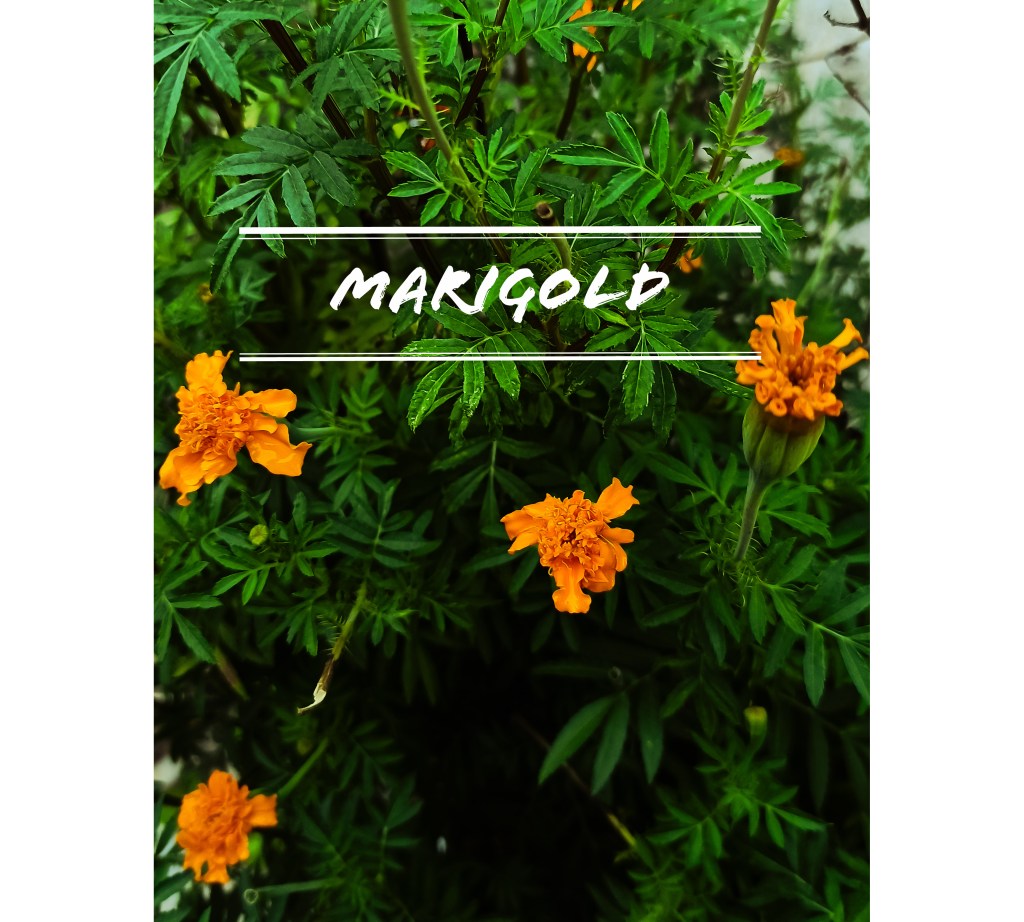
It’s an Annual herb with Pale Green Leaves and Yellow/Orange Flower. Marigold can be easily cultivated at home and it has many medicinal properties as well.
Marigold flower is considered auspicious in Hindu Religion.Flowers Garland is usually Offered to Lord Vishnu. It’s Flower Garland with Mango leaves is used in Dasshera and Diwali decoration, both being main festivals of Indian Subcontinent. In Any Auspicious Events like Wedding,Yagna,Mundan,Dev Pooja it is used as an offering.
Today I’m going to focus on Medicinal properties of Marigold with reference of Ayurveda.
Latin Name: Tagetes erecta Family: Asteraceae
Ayurveda Classification References can be Found in Raja Nighatu: Parpatadi Varga.
Flower Svarasa is used in Raktarsha (Bleeding Piles) because of its Cold Potency.
3. Internal Application of Leaf Svarasa in Shotha (inflammation) and Karnashoola (Pain in Ear).
Flowers are used in Eye disease and Vrana (Wound).
5. Red Rashes over skin along with Itching are symptoms of Pitta Dosha.In Modern Terminology it’s known as Urticarial Rash and it have etiology of Allergy.In order to cure this,marigold is used.Its Flower Svarasa is used as an external application and within few minutes it show its benefical effect.
6.For Permanent elimination of Urticarial Rash Leaf Svarasa is taken. 2-2 spoon of its Svarasa as internal Application permanently eliminate the problem of Rashes.
7.Bee sting or Wasp Bite leads to excessive pain along with burning sensation and redness over affected area and itching,External application of Marigold leaf Svarasa over affected area is beneficial.
Chemical Composition: Marigold has anti-inflammatory and antispasmodic properties. The phytochemicals saponins, flavonoids and triterpenes are responsible for this Anti Inflammatory and Anti bacterial Properties of Marigold.
Aparajita plant can be easily found in any part of India.We can find Aparajita in our neighbourhood very easily. People use Aparajita flower as offering to Lord Krishna and Lord Shiva. So today we are going to see about Medicinal Property of Aparajita with special reference of Ayurveda and how it can be beneficial in our day to day life..
Latin Name: Clitoria Ternatea Family: Fabaceae Also known as Gokarna English Name: Butterfly Pea
अपराजिता: Meaning Victorious Reference of this drug can be easily seen in Bhavprakash Nighatu with Shloka as.. आस्फोता गिरिकीस्याद्विष्णुक्रान्ताऽपराजिता । अपराजिते कटू मेध्ये शीते कण्ठ्ये सुदृष्टिदे ॥१११॥ कुष्ठमूत्रत्रिदोषामशोथव्रणविषापहे । कषाये कटुके पाके तिक्ते च स्मृतिबुद्धिदे ॥११२॥ Varga : Guduchiyadivarga
Sanskrit Synonyms: Aasphotha,Girikarni,Vishnukranta and Koyal
Types: Based on Colour of Flowers 1.Blue 2.White
Gunadharma
Rasa: Katu,Tikta,Kashay
Vipaka: Katu (Pungent)
1.Medhya (for Good intellect) 2.For Sore Throat it’s beneficial 3.For good Vision
Veerya: Sheeta (Cold Potency)
Used in Treatment of : 1.Kushtha(Skin obstinate Disease) 2.Tridosha(Imbalance of dosha) 3.Aama(Toxins) 4.Shotha(Inflammation) 5.Vrana(Wound) 6.Visha(Poisons)
Parts used in Medicine: Roots,Root skin,Seeds and Flowers.
Chemical Composition: Root bark: Starch,Tannin and 11%Ash
Seeds Contain: Oil
Home Remedies: It’s Flower Tea is Memory booster and reduces headache. It has Anti inflammatory Properties as well.
Medicinal Uses: 1.It’s root has Bhedan and Diuretic Property along with Vedanasthapak (Pain reducing).
2.Because of Cold Potency, it can be used in Pittaja Vikara.
3.In Jwara (Fever) it can be used.
4.In Mutrakruchha (Dysuria): It’s roots are used as Fant kalpana.
5.In Shukrameha(A type of Prameha),Bastishotha(Swelling in urinary bladder) mula fant is given.
6.In Shwas Kasa in kids,Beeja is powdered and given with Jaggery and Saindhava.Later Kapha is expelled from body in form of diarrhoea.
7.In skin disorders, Leaf fant is given.
8.In Ear Swelling and Granthi Vruddhi (lymphoma), Leaf lepa along with Saindhava is used as external application.
9.In Snake bite, it’s root bark along with Nirgundi Root bark is given with water.
10.Clitoria Ternatea can be used for gynaecological disorders.It have beautiful analgesic effect on endometrium layer especially in case of Menorrhagia, Dysmenorrhoea and also help to remove toxins from body.
Dosage: 1.MulaTwak Churna: 1.5gram to 3gram 2.BeejaChurna: 1gram to 2 gram





 Wisdom Ayurveda
You must be logged in to post a comment.